|
This page was exported from Zeramim
[ https://zeramim.org ] Export date: Tue May 26 4:28:02 2026 / +0000 GMT |
Levin, Purification of All JewsPurification of All Jews (and Incidentally Patrilineals): A Proposal for Purifying All Jews (And Incidentally, If There Happen To Be Any Patrilineals, We Will Include Them As a Matter of Course)by Leonard Levin Copyright 2016 אָמַר רַבִּי עֲקִיבָא, אַשְׁרֵיכֶם יִשְׂרָאֵל, לִפְנֵי מִי אַתֶּם מִטַּהֲרִין, וּמִי מְטַהֵר אֶתְכֶם, אֲבִיכֶם שֶׁבַּשָּׁמַיִם, שֶׁנֶּאֱמַר, (יחזקאל לו) וְזָרַקְתִּי עֲלֵיכֶם מַיִם טְהוֹרִים וּטְהַרְתֶּם. וְאוֹמֵר, (ירמיה יז) מִקְוֵה יִשְׂרָאֵל יְיָ, מַה מִּקְוֶה מְטַהֵר אֶת הַטְּמֵאִים, אַף הַקָּדוֹשׁ בָּרוּךְ הוּא מְטַהֵר אֶת יִשְׂרָאֵל: Rabbi Akiva said: Fortunate are you, O Israel! Before whom do you purify yourselves? And who purifies you? Your Father in heaven, as it says, “I shall sprinkle pure water upon you, and you shall be pure.” (Ezekiel 36) And it says: The Lord is the mikveh of Israel” (Jeremiah 17)—just as a mikveh purifies the impure, so does the Holy Blessed One purify Israel. (Mishnah Yoma 8:9) The world Jewish community is in danger of splintering into mutually antagonistic fragments. The choice is clear: between maintaining inflexibly strict standards that relegate the majority of Jews to illegitimacy, or developing a consensus based on mutual recognition of sub-groups who agree on major principles but allow discretion in how those principles shall be implemented in each sub-group. As things stand now, there are people who consider themselves as Jewish, or married, or invested with positions of Jewish responsibility and authority (rabbis, cantors, and teachers) by this group but not by that group, and are at the mercy of discrimination by this or that sub-group or authority as to whether they want to participate in daily Jewish ritual, marry a Jew, exercise official Jewish functions, be accepted to Israeli citizenship as a Jew, or be buried in a Jewish cemetery. Cases such as those of Jessica Fishman[1] and Lev Pesahov[2] have dramatized the acute injustice that individuals and broad communities have suffered because of the arbitrary denial of Jewish status to those whose Jewishness has been recognized by some jurisdictions and denied by others. We are all of us victims or potential victims of this arbitrary exercise of the power to disqualify, which is exercised in the name of the Jewish tradition but runs counter to the sentiment and values and even counter to certain specific legal precedents in Judaism. There are a number of issues that converge to produce the dilemma we face today. Among those issues we must list are the following:
Among subjective factors, we include:
Under these circumstances, no less an authority than Rabbi David Hartman has advocated “shifting our halakhic focus, when it comes to defining membership, from questions of purity and authority to the health and benefit of the living community” (The God Who Hates Lies, p. 170.) I propose that we be guided, in addressing these issues, by certain principles that I base on traditional Jewish texts. My recommendation will be to adopt two actions, one to guide our action le-khateḥillah[3], the other be-di'avad[4]: 1) Le-khateḥillah, I propose that we adopt a general practice of immersion, which may be accomplished either in a mikveh or in mayim ḥayyim(such as an ocean) at least once a year, to restore immersion in some form as a general part of normative Jewish religious practice within our communities. 2) Be-di'avad, I propose that we accept as Jewish those individuals certified as Jewish by all mainstream Jewish movements; as a corollary, this includes recognizing as Jewish those patrilineal Jews raised within liberal Jewish communities, with Jewish education and Bar/Bat Mitzvah. The conjunction of these two recommendations is deliberate, and is aimed to achieve a third result, of greater overall mutual acceptance of sub-groups within the Jewish community. This result will hopefully be achieved by the following argument: Classically, conversion to Judaism is achieved by three factors: receiving of mitzvot, circumcision (for males), and immersion. Bedi'avad, according to the classical Jewish sources, any immersion in a Jewish ritual context—not specifically for gerut—suffices to satisfy the immersion requirement. Any patrilineal Jew who has been educated Jewishly and undergone a formal Bar/Bat Mitzvah ceremony has (according to my argument) fulfilled the requirement of receiving the mitzvot. I assume that such an individual, if male, has undergone circumcision also for the purpose of affirming Jewish identity. If we revive immersion as a general Jewish practice, then all three requirements will be met, and there should be no objection to accepting such individuals as fully Jewish.[5] PRINCIPLES I propose the following principles to guide our consideration:
This last principle may raise in our minds the question: Why, then, do we have a “conversion process” and a “conversion ceremony” in the first place? The answer is not hard to find. In the normal course of life, there are many people who are born non-Jewish, who decide in the course of their lives to change their religious outlook, commitment, and way of life, and thus to become Jewish from a prior state of being not-Jewish. Such cases are generally clear-cut and undisputed. It is for such cases that the process of education-for-conversion and the ceremony of conversion itself are intended. Conversion is a change of personal status, belief, and practice from being non-Jewish to being Jewish. It is clearly appropriate for the person who is unambiguously non-Jewish to begin with. It is of debatable appropriateness in the case of a person who is Jewish by some criteria and not others, or who is clearly and unequivocally Jewish in some people's eyes (including their own) and not at all Jewish in other people's judgment. This leads me to mention a paradox that was pointed out by a contemporary Israeli Masorti rabbi[9], Avinoam Sharon. He has expressed his view that there are people who can never become Jewish, namely, those who sincerely believe that they are Jewish, more particularly, those born of a Jewish father and a non-Jewish mother who were raised and educated as Jewish. The reason for this impossibility, he says, is that in his view a conversion can only be valid if performed with the intention of transitioning from a non-Jewish state to a Jewish state. As the person in question already regards him/herself as Jewish, they can never undergo conversion with the proper intention. Any conversion that they undergo (and many have undergone it) would then be invalid for that reason, and they would remain non-Jewish even after the conversion. His conclusion from this state of affairs is that the split in the Jewish body politic resulting from the raising of a generation of Jews is permanent and irremediable. But even if we do not accept his pessimistic conclusion, we may be given pause to reconsider, whether subjecting patrilineal Jews to a conversion process is necessarily and automatically the right course of action. This leads to another principle on which we should base our action:
The careful reader or listener to my proposal will notice, however, that it responds to this principle in a special way. The procedure of universal immersion that I propose does not require, of the more liberal factions, that they give up their view that patrilineal Jews are validly Jewish to begin with. It also does not require, of the more conservative factions, that they give up their view that patrilineal Jews have not fulfilled the requirements of becoming Jewish prior to immersion. It does not require, of any so-called “patrilineal Jew,” that he/she regard himself/herself as non-Jewish going into the ceremony (thus avoiding Avinoam's paradox). But if they accept the other parts of my rationale, both groups will agree that after universal immersion has been adopted and practiced, any difference in status between Jews-with-one-Jewish-parent and Jews-with-two-Jewish parents, whether any such difference was present to begin with or not, is now moot and has been swept into the past. Indeed, the purist could argue that no Jew knows the purity of his or her lineage. It is clear from the testimony of the Talmud that there were some individuals who were “passing” as Jews in the third century—and these are just the ones whose existence left some trace in recorded history! We may presume that those who went unrecorded were far more. (If we include those who were converted, but whose conversions would not have passed the current Israeli Chief Rabbinate's standards, the proportion will no doubt be much higher.) It is likely the case that every Jew in the world today possesses some of the genetic heritage of all these different kinds of questionable Jews. The mitochondria of unconverted non-Jewish ancestresses are very likely percolating in all of our cells. By a formalist criterion—one that would require a formal conversion ceremony to mark every change of status—we are all of doubtful status. The only view that would insure our own irrefutable Jewish status would be one that granted, on some level, the power of the momentum of continual Jewish practice to have a positive impact on actual Jewish identity. And that view would give aid and comfort to today's patrilineal Jews. So let us all go into the mikveh or the ocean together, and not quibble about for whom the water cleanses. Rabbi Akiva said it purifies all of us, and I believe he was right. ARGUMENT
APPENDIX: A Liturgy for Immersion in Natural Waters כְּאַיָּל תַּעֲרֹג עַל־אֲפִיקֵי־מָיִם כֵּן נַפְשִׁי תַעֲרֹג אֵלֶיךָ אֱלֹהִים: צָמְאָה נַפְשִׁי לֵאלֹהִים לְאֵל חָי מָתַי אָבוֹא וְאֵרָאֶה פְּנֵי אֱלֹהִים: תְּהוֹם אֶל־תְּהוֹם קוֹרֵא לְקוֹל צִנּוֹרֶיךָ כָּל־מִשְׁבָּרֶיךָ וְגַלֶּיךָ עָלַי עָבָרוּ: גַּל־עֵינַי וְאַבִּיטָה נִפְלָאוֹת מִתּוֹרָתֶךָ: גַּל מֵעָלַי חֶרְפָּה וָבוּז כִּי עֵדֹתֶיךָ נָצָרְתִּי: הוֹשִׁיעֵנִי אֱלֹהִים כִּי בָאוּ מַיִם עַד־נָפֶשׁ: אֲפָפוּנִי מַיִם עַד־נֶפֶשׁ תְּהוֹם יְסֹבְבֵנִי סוּף חָבוּשׁ לְרֹאשִׁי: וְזָרַקְתִּי עֲלֵיכֶם מַיִם טְהוֹרִים וּטְהַרְתֶּם מִכֹּל טֻמְאוֹתֵיכֶם וּמִכָּל־גִּלּוּלֵיכֶם אֲטַהֵר אֶתְכֶם: מַיִם רַבִּים לֹא יוּכְלוּ לְכַבּוֹת אֶת־הָאַהֲבָה וּנְהָרוֹת לֹא יִשְׁטְפוּהָ: וְהָיָה כְּעֵץ שָׁתוּל עַל־פַּלְגֵי מָיִם אֲשֶׁר פִּרְיוֹ יִתֵּן בְּעִתּוֹ וְעָלֵהוּ לֹא יִבּוֹל וְכֹל אֲשֶׁר־יַעֲשֶׂה יַצְלִיחַ: בָּרוּךְ אַתָּה יְהֹוָה לַמְּדֵנִי חֻקֶּיךָ: וְאֶשְׁמְרָה תוֹרָתְךָ תָמִיד לְעוֹלָם וָעֶד: שְׁמַע יִשְׂרָאֵל ה' אֱלֹהֵינוּ ה' אֶחָד: * * * * * אָמַר רַבִּי עֲקִיבָא, אַשְׁרֵיכֶם יִשְׂרָאֵל, לִפְנֵי מִי אַתֶּם מִטַּהֲרִין, וּמִי מְטַהֵר אֶתְכֶם, אֲבִיכֶם שֶׁבַּשָּׁמַיִם, שֶׁנֶּאֱמַר, (יחזקאל לו) וְזָרַקְתִּי עֲלֵיכֶם מַיִם טְהוֹרִים וּטְהַרְתֶּם. וְאוֹמֵר, (ירמיה יז) מִקְוֵה יִשְׂרָאֵל יְיָ, מַה מִּקְוֶה מְטַהֵר אֶת הַטְּמֵאִים, אַף הַקָּדוֹשׁ בָּרוּךְ הוּא מְטַהֵר אֶת יִשְׂרָאֵל: Like a hind yearning for watercourses, my soul cries for You, O God; my soul thirst for God, the living God; O when will I come and appear before God's face? (Psalm 42:2–3) Deep calls to deep in the roar of Your cataracts; all your breakers and billows have rolled over me. (Psalm 42:8) Open my eyes, that I may perceive the wonders of Your Torah. (Psalm 119:18) Roll away from me taunt and abuse, because I observe Your decrees. (Psalm 119:22) Rescue me, O God, for the waters have come up to my soul. (Psalm 69:2) The waters engulfed my soul; the deep surrounded me; weeds twined around my head. (Jonah 2:6) I will sprinkle clean water upon you, and you shall be clean: I will cleanse you from all your impurities and from all your defects. (Ezekiel 36:25) Many waters cannot quench love, nor rivers drown it. (Song of Songs 8:7) The righteous person is like a tree planted beside streams of water, which yields its fruit in season, whose foliage never fades, and whatever it produces thrives. (Psalm 1:3) Blessed are You, O Lord; teach me Your laws! (Psalm 119:12) I will always obey Your teaching, forever and ever. (Psalm 119:44) Hear, O Israel, the Lord is our God, the Lord is One. (Deuteronomy 6:4) * * * * * * Rabbi Akiva said: Fortunate are you, O Israel! Before whom do you purify yourselves? And who purifies you? Your Father in heaven, as it says, “I shall sprinkle pure water upon you, and you shall be pure.” (Ezekiel 36) And it says: “The Lord is the mikveh of Israel” (Jeremiah 17)—just as a mikveh purifies the impure, so does the Holy Blessed One purify Israel. (Mishnah Yoma 8:9) 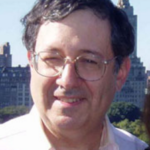 An ordainee of the Jewish Theological Seminary, Rabbi Leonard Levin's teaching in Jewish philosophy integrates the concerns of intellectual history and constructive theology—thematically demonstrated, for example, in his study Seeing with Both Eyes: Ephraim Luntshitz and the Polish-Jewish Renaissance. Levin, who teaches on the faculty of the Academy for Jewish Religion, assisted Gordon Tucker in the translation and editing of Abraham Joshua Heschel's Hebrew masterpiece work on rabbinic theology: Heavenly Torah as Refracted Through the Generations. Levin, who has also translated several works of the contemporary Israeli philosopher and scholar Eliezer Schweid, served as the editor of Studies in Judaism and Pluralism: Honoring the 60th Anniversary of the Academy for Jewish Religion. Levin received a bachelor of arts degree from the University of Pennsylvania (cum laude), a PhD in History of Ideas from Brandeis University, and rabbinical ordination and a PhD in Jewish Philosophy from the Jewish Theological Seminary. An ordainee of the Jewish Theological Seminary, Rabbi Leonard Levin's teaching in Jewish philosophy integrates the concerns of intellectual history and constructive theology—thematically demonstrated, for example, in his study Seeing with Both Eyes: Ephraim Luntshitz and the Polish-Jewish Renaissance. Levin, who teaches on the faculty of the Academy for Jewish Religion, assisted Gordon Tucker in the translation and editing of Abraham Joshua Heschel's Hebrew masterpiece work on rabbinic theology: Heavenly Torah as Refracted Through the Generations. Levin, who has also translated several works of the contemporary Israeli philosopher and scholar Eliezer Schweid, served as the editor of Studies in Judaism and Pluralism: Honoring the 60th Anniversary of the Academy for Jewish Religion. Levin received a bachelor of arts degree from the University of Pennsylvania (cum laude), a PhD in History of Ideas from Brandeis University, and rabbinical ordination and a PhD in Jewish Philosophy from the Jewish Theological Seminary.[1] “She Doesn't Live Here Any More,” Yediot Achronot April 30, 2010. (See http://reblen.blogspot.com/2010/05/she-doesnt-live-here-anymore.html.) The daughter of a Reform-converted mother, Jessica Fishman grew up Conservative in St. Paul, MN, attending day school and walking weekly with her family to synagogue. She made aliyah and lived for seven years in Israel, serving for two years in the IDF. When she became romantically involved with a Jewish Israeli man, he demanded that she “convert.” The Orthodox rabbinate refused to recognize her mother's conversion or Jessica's Jewish status. Jessica felt the demand to convert was a violation of her life-long sense of Jewish identity. She broke off the engagement, uprooted from Israel and returned to the United States. [2] “Israel: Soldier's Death Raises Question: Who Is A Jew?” Los Angeles Times August 14, 1993. Lev Pesahov, son of a Jewish father and a non-Jewish mother, immigrated from Russia to Israel in 1990 under the Law of Return. In August, 1993, wearing the IDF uniform, he was killed in a terrorist attack on an army checkpoint. He was refused Jewish burial but was buried on the edge of the military cemetery in Bet Shean. [3] Le-khateḥillah — “before the fact,” designating a “best practice” that one should choose to observe, if it is up to one to perform an action. [4] Be-di'avad — (post facto) “after the fact,” designating a lower standard that allows an action not performed in accordance with “best practice” to be regarded as valid, once it has already been performed. [5] For an updated version of this argument, see my follow-up article, “It's All in the Memes” in Who Is A Jew?: Reflections on History, Religion, and Culture (West Lafayette, IN: Purdue University Press, 2015). [6] Consider the mutual recognition of marriages by the School of Shammai and School of Hillel in BT Yevamot 13b-14a: אע"פ שאלו אוסרים ואלו מתירין, אלו פוסלין ואלו מכשירין, לא נמנעו בית שמאי מלישא נשים מבית הלל, ולא בית הלל מבית שמאי. Even though the School of Hillel and the School of Shammai differed—the one would forbid what the other permitted, the one would disqualify what the other qualified—the School of Shammai did not refrain from marrying women from the School of Hillel, or the School of Hillel from the School of Shammai. [7] Note the case of the man who “converted himself” in BT Yevamot 47a: ת"ר: (דברים א') ושפטתם צדק בין איש ובין אחיו ובין גרו מכאן א"ר יהודה: גר שנתגייר בב"ד הרי זה גר, בינו לבין עצמו אינו גר. מעשה באחד שבא לפני רבי יהודה, ואמר לו: נתגיירתי ביני לבין עצמי, א"ל רבי יהודה: יש לך עדים? אמר ליה: לאו. יש לך בנים? א"ל: הן. א"ל: נאמן אתה לפסול את עצמך, ואי אתה נאמן לפסול את בניך. “And you shall judge justly between a man and his kinsman and his ger (understood as convert).” (Deuteronomy 1:16) Rabbi Yehudah deduced from this that if a prospective convert was converted before a court, this is a valid conversion, but if he just converted himself, this is not a valid conversion. There was the case of one man who came before Rabbi Yehudah and said to him, “I converted myself [without witnesses or a rabbinic court].” Rabbi Yehudah said to him, “Do you have witnesses [to that effect]?” He replied: “No.” Rabbi Yehudah asked him, “Do you have children?” He replied: “Yes.” Rabbi Yehudah ruled: “Your testimony would be reliable enough to disqualify just yourself, but it is not reliable to disqualify your children.” Cf. SA YD 268.3.d. Similarly, Maimonides writes in Hilkhot Issurei Bi'ah 13:9: גיורת שראינוה נוהגת בדרכי ישראל תמיד כגון שתטבול לנדתה ותפריש תרומה מעיסתה וכיוצא בזה, וכן גר שנוהג בדרכי ישראל שטובל לקריו ועושה כל המצות הרי אלו בחזקת גרי צדק, ואע"פ שאין שם עדים שמעידין לפני מי שנתגיירו, ואע"פ כן אם באו להתערב בישראל אין משיאין אותם עד שיביאו עדים או עד שיטבלו בפנינו הואיל והוחזקו עכו"ם. A female convert whom we saw conforming always to Jewish practice—for instance, who immersed for her menstrual impurity and separated out the priestly due from her dough, and the like—and similarly a male convert who conformed to Jewish practice, immersing for his seminal impurity and performing all the mitzvot—these are to be presumed as valid converts, even though there are no witnesses who testify as to before whom they were converted. Nevertheless, if one came to intermarry with Jews, one should not marry them until they bring witnesses or immerse before us, inasmuch as they are presumed to be gentiles. One can argue that the strictness of Maimonides' conclusion (that one should not intermarry with those of unknown origin and status “until they bring witnesses or immerse before us”) has the force of lekhatḥilah, since once one has gone ahead and married and had children, the existence of the children is an argument for overriding whatever doubts one had concerning the validity of an irregularly performed conversion. Compare also Shulḥan Arukh Yoreh De'ah 268:3: כל ענייני הגר בין להודיעו המצות לקבלם בין המילה בין הטבילה צריך שיהיו בג' הכשרים לדון וביום (תוס' ורא"ש פ' החולץ) מיהו דוקא לכתחלה אבל בדיעבד אם לא מל או טבל אלא בפני ב' (או קרובים) (הגהות מרדכי) ובלילה אפילו לא טבל לשם גרות אלא איש שטבל לקריו ואשה שטבלה לנדתה הוי גר ומותר בישראלית חוץ מקבלת המצות שמעכבת אם אינה ביום ובשלשה ולהרי"ף ולהרמב"ם אפי' בדיעבד שטבל או מל בפני שנים או בלילה מעכב ואסור בישראלית אבל אם נשא ישראלית והוליד ממנה בן לא פסלינן ליה:
From (b) and (d) respectively, we may conclude the following principles: After the fact, the requirement of immersion for conversion is fulfilled if a person immersed in a Jewish context to perform an act intended as conformity to Jewish practice. And, after the fact, if a questionable conversion resulted in progeny, who have been accepted into the Jewish community, one does not disqualify it. One of the most tragic developments of recent times has been the revocation of Jewish status of people who have been raised as Jews, on the basis of the retroactive nullification of their parents' or grandparents' Jewish status by non-recognition of conversions. The claim of authorities who engage in this practice, that they alone are fully faithful to the Jewish tradition, should not be allowed to stand unchallenged. They are in flagrant violation of these halakhic precedents. [8] See the case of the woman and man “who immersed for their impurity” in BT Yevamot 45b: עבדיה דרבי חייא בר אמי אטבלה לההיא עובדת כוכבים לשם אנתתא, אמר רב יוסף: יכילנא לאכשורי בה ובברתה בה, כדרב אסי, דאמר רב אסי: מי לא טבלה לנדותה? בברתה, עובד כוכבים ועבד הבא על בת ישראל הולד כשר. ההוא דהוו קרו ליה בר ארמייתא, אמר רב אסי: מי לא טבלה לנדותה? ההוא דהוו קרו ליה בר ארמאה, אמר ריב"ל: מי לא טבל לקריו? A slave of Rabbi Ḥiyya bar Ammi immersed a gentile woman in order to make her his wife. Rav Yosef said: I can rule that she and her daughter are both kosher (i.e., Jewish). Herself—following [the method of] Rav Assi. For Rav Assi said (in a parallel case): “Did she not immerse for her menstrual impurity?” Her daughter—[by the rule that] if a gentile or a slave has intercourse with a Jewish woman, the baby is Jewish. [What case of Rav Assi are we talking about? The following:] There was a man who was called “the son of the Aramean woman.” Rav Assi objected: “Did she not immerse for her menstrual impurity?” There was another man who was called “the son of the Aramean.” Rabbi Joshua ben Levi objected: “Did he not immerse [to be purified from] his seminal emission?” Cf. Maimonides, Hilkhot Issurei Bi'ah 13:9. [9] “A contemporary Israeli Masorti rabbi.” That itself is a contradiction in the eyes of some, who do not think that anyone non-Orthodox can be a rabbi. [10] We find support for this in Yevamot 47a-b: תנו רבנן: גר שבא להתגייר בזמן הזה, אומרים לו: מה ראית שבאת להתגייר? אי אתה יודע שישראל בזמן הזה דוויים, דחופים, סחופים ומטורפין, ויסורין באין עליהם? אם אומר: יודע אני ואיני כדאי, מקבלין אותו מיד. ומודיעין אותו מקצת מצות קלות ומקצת מצות חמורות, ומודיעין אותו עון לקט שכחה ופאה ומעשר עני. ומודיעין אותו ענשן של מצות, אומרים לו: הוי יודע, שעד שלא באת למדה זו, אכלת חלב אי אתה ענוש כרת, חללת שבת אי אתה ענוש סקילה, ועכשיו, אכלת חלב ענוש כרת, חללת שבת ענוש סקילה. וכשם שמודיעין אותו ענשן של מצות, כך מודיעין אותו מתן שכרן, אומרים לו: הוי יודע, שהעולם הבא אינו עשוי אלא לצדיקים, וישראל בזמן הזה אינם יכולים לקבל לא רוב טובה ולא רוב פורענות. ואין מרבין עליו, ואין מדקדקין עליו. קיבל, מלין אותו מיד. נשתיירו בו ציצין המעכבין את המילה, חוזרים ומלין אותו שניה. נתרפא, מטבילין אותו מיד ושני ת"ח עומדים על גביו, ומודיעין אותו מקצת מצות קלות ומקצת מצות חמורות טבל ועלה הרי הוא כישראל לכל דבריו. The Rabbis taught: If a prospective convert comes to be converted in this age, they say to him: “What motivated you, that you came to convert? Do you not know that Israel in this time is persecuted, oppressed, downtrodden and harassed, and subject to constant hardships?” If he says, “I know, and I am unworthy of acceptance,” they accept him immediately. They inform him of some of the minor mitzvot and some of the major mitzvot, and they inform him of the obligations of donating the gleanings, the forgotten sheaves, the corner of the field, and the poorman's tithe. They inform him of the sanctions for the mitzvot in such terms: “You should know that before considering conversion, if you ate forbidden fat, you were not punished with excision; if you profaned the Sabbath, you were not punished with stoning. But now if you convert, if you eat forbidden fat, you are punished with excision; if you profane the Sabbath, you are punished with stoning.” Just as they inform him of the punishment for mitzvot, so they inform him of the reward, in these terms: “Know that the World to Come is only for the righteous. In the current time, Israel cannot receive either abundance of good or excessive retribution.” They do not tell him too much, nor are they too exacting. If he accepts, they circumcise him immediately. If there are adhesions that prevent complete circumcision, they go back and circumcise him again. When he is healed, they immerse him immediately. Two scholars stand over him and inform him some of the minor mitzvot and some of the major mitzvot. When he has immersed and ascended, he is Jewish in all respects. From this we derive two principles:
The paradigmatic case of a “patrilineal Jew” seeking acceptance by the larger Jewish community is of one born of one Jewish parent, who has received an elementary Jewish education and undergone Bar Mitzvah or Bat Mitzvah; and if male, has been circumcised and this circumcision (however performed) was accepted in his local community as fulfilling the requirement of male circumcision as a Jew. I will argue that by virtue of these givens, this candidate has fulfilled the requirements of “receiving commandments” and “circumcision,” and is lacking only “immersion.” [11] See BT Yevamot 45b, Shulḥan Arukh Yoreh De'ah 268:3, and Maimonides Hilkhot Issurei Bi'ah 13:9 [12] See BT Yevamot 45b, Shulḥan Arukh Yoreh De'ah 268:3.d and BT Yevamot 47a. [13] See BT Yevamot 45b, Shulḥan Arukh Yoreh De'ah 268:3.b, and Maimonides Hilkhot Issurei Bi'ah 13:9. [14] See BT Yevamot 45b and also the first part of Maimonides, Hilkhot Issurei Bi'ah 13:9 [15] The early absence of a universal standard of conversion is reflected also in Yevamot 46a, where Rabbi Eliezer allows circumcision alone, and Rabbi Joshua immersion alone, as sufficient for conversion: ת"ר: גר שמל ולא טבל ר"א אומר: הרי זה גר, שכן מצינו באבותינו, שמלו ולא טבלו טבל ולא מל ר' יהושע אומר: הרי זה גר, שכן מצינו באמהות, שטבלו ולא מלו וחכמים אומרים: טבל ולא מל, מל ולא טבל אין גר, עד שימול ויטבול. Our rabbis taught: If a prospective convert has been circumcised but not immersed, Rabbi Eliezer said: He is a valid convert. For we find in the case of the patriarchs, that they were circumcised but not immersed. If a prospect has immersed but not been circumcised, Rabbi Joshua says: He is a valid convert. For we find in the case of the matriarchs, that they immersed but were not circumcised. But the sages say: He is not a valid convert unless he has undergone both circumcision and immersion. This text suggests that the consolidation of the current set of requirements for conversion took place in the Tannaitic period. From this one may derive the following principle: Even though our normative practice from classic rabbinic times onward has been to require acceptance of the commandments, circumcision and immersion as criteria for conversion, we should recognize that this practice has emerged in historical times, and that there are precedents for waiving any of these requirements if circumstances should warrant it. [16] Ethan Tucker, memo of July 5, 2011, page 7. [17] Rabbi Michael Pitkowsky informs me there is halakhic precedent for allowing bathing suits, provided the water penetrates them. According to Rabbi Isaac Klein in his Guide to Religious Practice, loose-fitting bathing suits are permissible. [18] A sample draft for such a liturgy can be found as the appendix to this article, “A Liturgy for Immersion in Natural Waters.” |
|
Post date: 2016-12-18 12:19:04 Post date GMT: 2016-12-18 12:19:04 Post modified date: 2018-03-16 03:34:42 Post modified date GMT: 2018-03-16 03:34:42 |
| Powered by [ Universal Post Manager ] plugin. HTML saving format developed by gVectors Team www.gVectors.com |